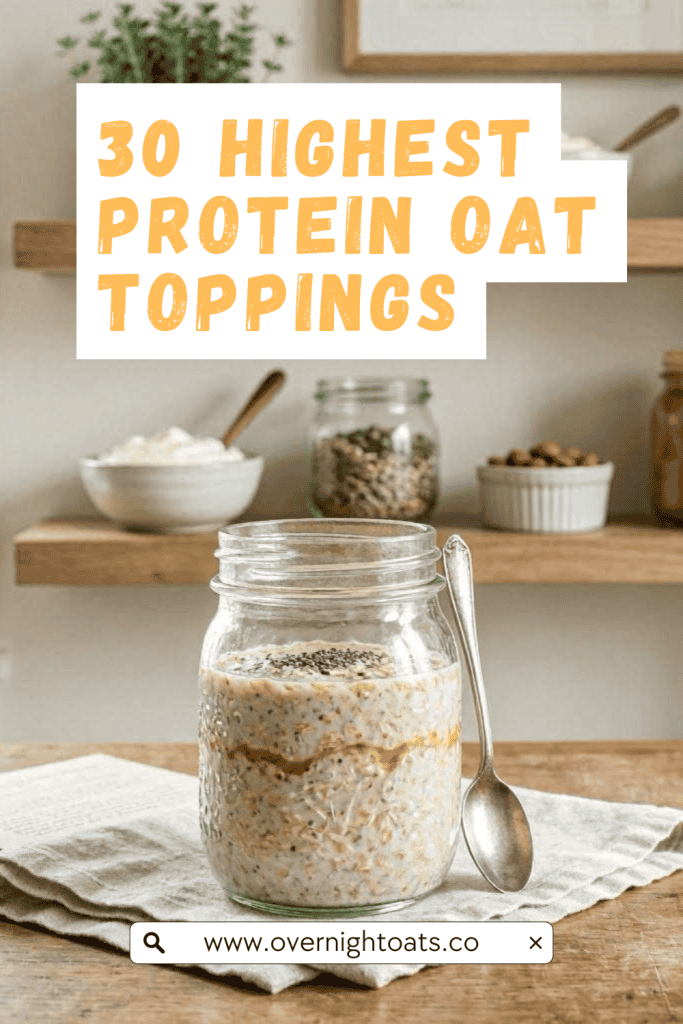
We’re always on the lookout for high-protein ingredients that’ll turbo-charge our breakfasts. Adding protein-rich toppings, milks, and supplements to your smoothies, breakfast bowls, or overnight oats is a great way to ramp up the nutritional benefits (and make them even tastier too!).
In this guide, we’ve curated a list of 30 high-protein ingredients for overnight oats and smoothie bowls so you can hit your macro goals quickly and easily.
Whether you’re an early bird hitting the gym, batch prepping with macros in mind, or just looking for a satisfying breakfast, you’ll love these protein-rich ingredient ideas…
Highest-Protein Breakfast Bowl Ingredients
We had our in-house nutritionist put together a list of 30 high-protein ingredients for your breakfast bowls. She wrote her Master’s degree thesis on protein so knows a thing or two about the topic!
Here’s the list of ingredients along with their approximate protein content per serving:
- Greek Yogurt: 15g of protein per cup
- Cottage Cheese: 28g of protein per cup
- Milk (Dairy): 8g of protein per cup
- Soy Milk: 7g of protein per cup
- Oats: 6g of protein per cup
- Chia Seeds: 5g of protein per ounce
- Hemp Seeds: 10g of protein per ounce
- Flaxseeds: 6g of protein per ounce
- Pumpkin Seeds: 9g of protein per ounce
- Sunflower Seeds: 5g of protein per ounce
- Walnuts: 4g of protein per ounce
- Almonds: 6g of protein per ounce
- Cashews: 5g of protein per ounce
- Peanut Butter: 8g of protein per 2 tablespoons
- Almond Butter: 7g of protein per 2 tablespoons
- Cashew Butter: 5g of protein per 2 tablespoons
- Coconut Milk: 5g of protein per cup
- Yogurt (Plant-Based): 4g of protein per cup
- Silken Tofu: 20g of protein per cup
- Cacao Nibs: 4g of protein per ounce
- Protein Powder (Whey): 24g of protein per scoop
- Protein Powder (Pea): 20g of protein per scoop
- Protein Powder (Hemp): 15g of protein per scoop
- Spirulina Powder: 16g of protein per ounce
- Quinoa Flakes: 15g of protein per cup
- Pomegranate Seeds: 3g of protein per cup
- Goji Berries: 10g of protein per ounce
- Matcha Powder: 3g of protein per teaspoon
- Berries (Mixed): 2g of protein per cup
- Kiwi: 2g of protein per cup
You’ll notice that this list is dominated by certain types of food. This is because seeds, nuts, nut butters, Greek yogurt, protein powders, and other supplements are the highest protein breakfast and smoothie bowl ingredients. But to ensure a balanced diet that’s rich in fibre, healthy fats, vitamins, and minerals, it’s helpful to include a variety of fruits and other toppings in your morning meal.
Bookmark this page so you can refer to it easily…
We hope you’ll agree that this is a pretty delicious selection of ingredients to choose from! By varying your milk, toppings, and adding supplements, you can increase the protein content of your oats and make them tastier too.
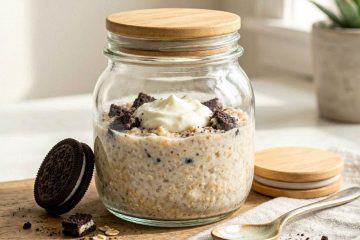
You might also like… high-protein Oreo oats or these all-natural protein oats that make the most of these ingredient ideas.
It’s worth noting that these values are approximate and can vary by brands and varieties. So, it’s always worth checking the nutritional labels of the products you use to get the most accurate info.
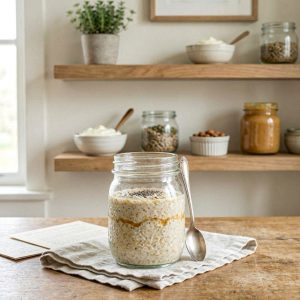
How much protein do you actually need? Well, the UK government recommends 45g per day for women aged 19-65 and 55g per day for men. And the US government recommends 46g per day for women and 56g for men, so somewhere in this ballpark is ideal.
But what if one of your favourite ingredients is missing from this list? Well, that just means it didn’t make our cut-off in terms of protein content (more than 1g per serving). But that doesn’t mean you should ditch it from your breakfast roster as it may be a source of other important nutrients.
Other Nutritious Topping & Ingredient Ideas for Breakfast Bowls
Fruit is a popular breakfast bowl ingredient, but doesn’t tend to be high in protein. As you can see from the list below, most fruits contain 1g or less per cup.
But fruit is often a good source of dietary fibre, carbohydrates, vitamins, minerals, and antioxidants, so it’s definitely worth including in your breakfast.
Here’s the protein content for other popular breakfast and oat bowl toppings…
- Almond Milk: 1g of protein per cup
- Bananas: 1g of protein per medium banana
- Peaches: 1g of protein per medium peach
- Pineapple: 1g of protein per cup
- Mango: 1g of protein per cup
- Oranges: 1g of protein per orange
- Grapes: 1g of protein per cup
- Lime: 1g of protein per lime
- Lemon: 1g of protein per lemon
- Cocoa Powder: 1g of protein per tablespoon
- Nutmeg: 1g of protein per tablespoon
- Cardamom: 1g of protein per tablespoon
- Turmeric: 1g of protein per tablespoon
- Apples: Negligible protein
- Maple Syrup: Negligible protein
- Honey: Negligible protein
- Agave Nectar: Negligible protein
- Molasses: Negligible protein
- Vanilla Extract: Negligible protein
- Cinnamon: Negligible protein
Protein-Packed Ingredient Ideas
Now you’ve got a list of protein-packed ingredient ideas to keep your breakfasts on point. Perfect for gym rats, Pilates princesses, busy professionals, or exhausted parents, there’s something here you’ll love.
Feel free to mix and match, creating your own signature high-protein overnight oats. Experiment with different combinations until you find the perfect blend that tastes great and keeps you fuelled throughout the day.